
"coffee processing China"
9000 article(s) found

Is Yega Xuefei grown in China?-when was Rose Summer introduced into Yunnan, China?
Do you grow Yega Xuefei in China? when was the introduction of Yirgacheffe Aricha Grade 1 raw beans from Yunnan, China? the color of raw beans is yellow and green, which is a typical color of sun-cured coffee. It is packed and exported in ordinary sacks with basic information (processing plant, exporter, ICO code, processing method, producing area) printed and dyed on the sacks.

Analysis of the policy of China's import and export coffee industry the process of coffee bean import
According to the relevant laws of China, coffee beans and their peripheral products (except sugar) are free trade goods. The relevant policies and regulations related to the import of coffee beans in China mainly include: (1) the import tax rate and regulatory conditions are related to the import tax rate and regulatory conditions. Professional coffee machine (boiler above 10 liters / excluding 10 liters) can apply for 3C exemption. The label belongs to the scope of commodity inspection, which is stipulated from 2.

China Coffee Industry Development report China is expected to become the world's largest coffee consumption market
Chen Zhenjia said in the release of "Coffee planting Distribution and advantageous Regional layout in China" that China's coffee producing areas are mainly distributed in Yunnan, Hainan, Sichuan, Taiwan and other regions. The tropical and subtropical mountain areas of southwestern Yunnan, northern Hainan and Tainan of Taiwan have better eco-environmental resources, which are very similar to the geographical environment and climatic conditions of Africa and Ethiopia, the origin of coffee.

China has become the main force in the coffee market
With the process of China's reform and opening up, Western culture, represented by coffee, continues to infiltrate in domestic cities with the rapid growth of the middle class, with the improvement of the quality of life and the acceleration of tempo. More and more Chinese people accept and like coffee as an elegant, fashionable and romantic way of leisure and art of life. Data from Beijing International Coffee Industry Association and China International Trade Center

The price of 1 jin of coffee beans in Yunnan, China is lower than that of 1 cup of coffee only because of the lack of industry standards and confusion.
For the exchange of professional baristas, please follow the coffee workshop (Wechat official account cafe_style) the current situation of the coffee industry in Yunnan, China. Figures released by the Yunnan Coffee Association show that during the harvest season from 2015 to 2016, the average price of a kilogram of coffee beans purchased by enterprises from farmers is between 13 and 14 yuan, and the market price is maintained at around 16 yuan. Yunnan accounts for 99% of the country's coffee output, but it is a farmer.

China Yunnan Coffee Plantation Trading Center Brand Environment Production Area Introduction
China Yunnan Coffee Plantation Trading Center Brand Environmental Production Area Introduction It is a coincidence that the southern part of China's Yunnan Province (especially close to Laos) and the northern part of Yunnan Island happen to be located on the upper edge of this golden belt. Hawaii, Saudi Arabia and other places in the United States, although located in this zone, on the one hand, Hawaii has no mountains, no fog, and on the other hand, there is no water in the sandy desert

There is little certification of organic coffee in China.
Nowadays, coffee has gradually become an important drink in people's daily life. With the concept of healthy living more and more deeply rooted in the hearts of the people, healthy, original organic coffee is also sought after by many coffee lovers. Is the organic coffee on sale true? It has also become a topic of concern to consumers. Organic coffee is rarely certified in China. Liu Ping, an agricultural industry researcher at the China Business Intelligence Network Industrial Research Institute.

Introduction of Brand Environmental production area of Yunnan Coffee Plantation Trading Center in China
Coincidentally, the southern part of China's Yunnan Province (especially close to Laos) and the northern part of Yunnan Island happen to be on top of this golden zone. Although Hawaii, Saudi Arabia and other places in the United States are in this area, on the one hand, there are no mountains and fog in Hawaii, and on the other hand, there is no water in the sandy desert.

There is little certification of organic coffee in China.
Nowadays, coffee has gradually become an important drink in people's daily life. With the concept of healthy living more and more deeply rooted in the hearts of the people, healthy, original organic coffee is also sought after by many coffee lovers. Is the organic coffee on sale true? It has also become a topic of concern to consumers. Organic coffee is rarely certified in China. Liu Ping, an agricultural industry researcher at the China Business Intelligence Network Industrial Research Institute.
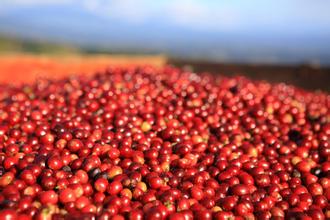
Description of taste and flavor of Rwandan coffee beans with a small proportion of exports
Mr. Albert, chief representative of the China Representative Office of the Rwanda Development Agency, when talking about the export of Rwandan coffee to China, bluntly said that the country's coffee exports to China accounted for a small proportion of its total exports.

The coffee culture of the Greater Chinese
In the process of globalization, Western culture has also spread in China. Take coffee culture as an example. In the earliest days, drinking coffee was a western culture, but now it is already a global culture, but each region still has its own unique characteristics. Take espresso, for example, it has established its own brand and formed its own unique coffee culture in China.

China's legal Industry Policy on imported Coffee-the amount of Coffee imported by China per year
China's legal and industry policy on coffee import-the main functions of China's annual coffee import quantity importers association include: to obtain the understanding and support of the government, media and the public for China's coffee import as much as possible through overall publicity; to guide enterprises engaged in coffee import to abide by the relevant laws and regulations of the state; to help enterprises and relevant units solve the problems encountered in the process of import trade
China's coffee industry is waiting to "break out of the cocoon"
Chen Jie is affected by futures in the international market. Since February this year, the wave of continuous decline in coffee prices has swept across Yunnan. The problems of unsalable coffee and falling prices have caused the outside world to think about the development of China's coffee industry. Yang Chunhai, 56, is a villager of Nandaohe Village, Pu'er City, Yunnan Province. At present, he and his son grow more than 50 mu of coffee. He told reporters that the price of coffee in the market was good last year.
Ethiopia pays attention to China to improve the overall value chain of its own coffee
Professional coffee knowledge exchange more coffee bean information please follow the coffee workshop (Wechat official account cafe_style) [Global Times reporter Zhao Jueyi] from the old coffee chain Starbucks to the industry upstart Ruixing, and even some convenience stores have put up signs of selected Arabica coffee at the door to promote the quality of their own coffee. As we all know, coffee varieties such as Arabica originated in East Africa.
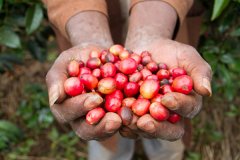
The trend of China's coffee industry is to get rid of the situation of pure raw materials.
The trend of China's coffee industry, represented by Yunnan, China's coffee industry has once again encountered market cycle fluctuations. The government, enterprises and Cajun must take the initiative to turn the crisis into an opportunity. Li Ziliang, a reporter from Newsweek / Outlook Newsweek, entered November. Yunnan Province, China's largest coffee producing area, is about to usher in the harvest season. Pu'er, Dehong and Baoshan are the main coffee producing areas.
There is little certification of organic coffee in China.
Nowadays, coffee has gradually become an important drink in people's daily life. With the concept of healthy living becoming more and more popular, healthy and original organic coffee has also been sought after by many coffee lovers. "is the organic coffee on sale real?" It has also become a topic of concern to consumers.

Starbucks coffee beans made in China
Follow Cafe (Wechat official account vdailycom) found that Starbucks has opened a small shop of its own, launching the first Starbucks Yunnan coffee bean, which is made in a single producing area in China, and has been on the market for a limited time this Spring Festival. This coffee uses 100% high-quality Arabica coffee beans grown in Yunnan, which pours Starbucks' enthusiasm for preferred coffee and is the Starbucks Cloud.

Coffee beans from a single producing area in China, Starbucks will tell the story of Yunnan.
Follow Cafe (Wechat official account vdailycom) found that Starbucks has opened a small shop of its own and launched the first Starbucks Yunnan coffee bean, which is made in a single producing area in China, and has been on the market for a limited time this Spring Festival. This coffee uses 100% high-quality Arabica coffee beans grown in Yunnan, and is carried by Starbucks Yunnan Coffee growers support Center and local coffee farmers.
Coffee Flavor Chemistry the first academic monograph on coffee processing in China Coffee Book
The taste is delicious and fragrant. As can be seen from the advertising words of coffee, flavor is the soul of coffee. Recently, "Coffee Flavor Chemistry", co-written by Dr. Zeng Fankui of Lanzhou Institute of Chemical Physics of Chinese Academy of Sciences and Professor ou Shiyi of Food Department of Jinan University, was published by Jinan University Publishing House. This is the first academic monograph on coffee processing in China. Set